Our Device Philosophy

Neuro Recovery Institute uses only FDA-cleared medical devices for auricular (ear) neurostimulation, and we are transparent about where each technology stands. Some devices that helped pioneer this field are being phased out; newer devices offer longer treatment windows and better patient experience. We choose the technology that gives our patients the best chance of getting through withdrawal comfortably — and we tell you exactly what the evidence does and does not show.

A straight answer about neurostimulation

Auricular neurostimulation has a real credibility problem, and it is one we take seriously. For decades the "ear stimulation" space was crowded with acupuncture-style claims and outright snake oil, so it is completely reasonable to be skeptical. What separates the technology we use is that it is grounded in documented neuroanatomy, cleared by the FDA specifically for opioid withdrawal, and supported by published clinical data — while still being an emerging field where the trials so far are small. We think the honest position is: the mechanism is real, the early results are genuinely encouraging, and larger studies are still needed. You can read the underlying science and the actual studies on our Research page.

The Morph Device

The device we are working to bring to Portland is the Morph Device, a newer-generation, FDA-cleared auricular neurostimulator built specifically to ease the physical symptoms of opioid withdrawal.
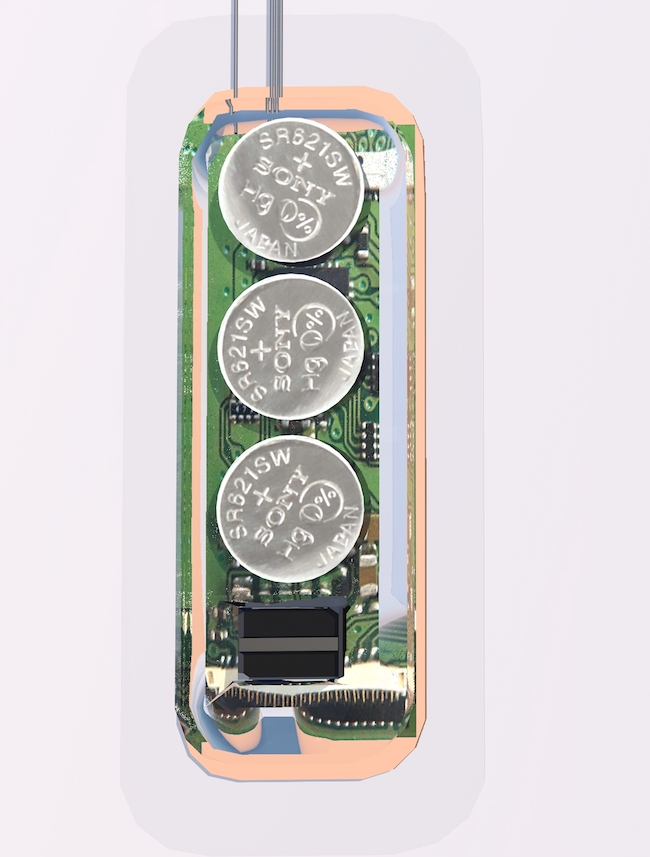
The Morph Device, a small battery-powered neurostimulator worn behind the ear for opioid withdrawal
In talks with distributors — coming soon to Portland

How it works

The Morph Device is a small, battery-powered, drug-free electrical nerve stimulator placed behind the ear. It delivers gentle electrical pulses to branches of cranial nerves in and around the ear, which the manufacturer reports influence roughly 85% of the pathways the brain uses to transmit pain signals. This stimulation is thought to prompt the body's own release of neuropeptides that ease withdrawal symptoms — without introducing any new opioid.

SpecificationDetails
TypePercutaneous nerve field stimulator (PNFS), worn behind the ear
Target nervesBranches of cranial nerves V, VII, IX, and X
Treatment durationUp to 10 continuous days per device
FDA status510(k)-cleared Class II device, indicated as an aid in opioid withdrawal (cleared 2018)
ManufacturerTherapeutic Neuromodulation Systems, LLC (Nashville, TN)
PrescriptionRequired; placed by trained clinical staff

Manufacturer-reported results: a reduction of more than 60% in withdrawal scores after about 20 minutes, and up to 80% within 60 minutes. These figures are reported by the device manufacturer and should be read as such; independent, larger-scale trials are still limited.

Not for everyone: the Morph Device is contraindicated for patients who take blood-thinning medication, have a bleeding disorder, or have psoriasis in or around the ear. Every patient is screened before placement.

Learn more from the manufacturer at themorphdevice.com.

The Morph Device is not yet available at Neuro Recovery Institute. We are currently in discussions with distributors, and if everything goes to plan it will soon be offered here in Portland. Device images courtesy of Therapeutic Neuromodulation Systems, LLC.

The NSS-2 Bridge: An Honest Look at a Pioneer

Discontinued for opioid withdrawal

NSS-2 Bridge

The NSS-2 Bridge deserves real credit. In 2017 it became the first medical device ever cleared by the FDA specifically to reduce opioid withdrawal symptoms, and it helped a great many people get through detox without severe withdrawal — a genuine milestone that proved auricular neurostimulation could work.

We no longer plan to use it, and we want to be upfront about why. The Bridge was built with an automatic shut-off after five days (120 hours), which limited the treatment window. It has since been discontinued for opioid withdrawal, and its manufacturer, Masimo, is no longer licensing the device for that indication. Rather than build around a technology that is being retired, we are moving to newer devices — like the Morph Device — that offer a longer treatment course and were designed for this use from the ground up.

The Bridge's original FDA clearance was supported by a 73-patient study in which every patient saw at least a 31% reduction in withdrawal (COWS) scores within 30 minutes, and 88% transitioned to ongoing treatment after five days (FDA De Novo DEN170018).

What to Expect During Treatment

Placement (0–15 minutes)

A trained clinician cleans the ear area and places the device behind and around the ear. You may feel a mild tingling or tapping sensation as it is activated.

Onset (first 20–60 minutes)

Most patients report noticeable relief within the first hour — reduced anxiety, less muscle aching, and decreased nausea. Vital signs are monitored throughout.

Stabilization (Days 1–3)

Withdrawal (COWS) scores are checked regularly. Non-opioid comfort medications for nausea, sleep, or anxiety are available if needed.

Continued Relief (up to Day 10)

Newer devices such as the Morph Device can run for up to ten days, covering the full arc of acute withdrawal while you begin recovery planning and counseling.

Device Removal

At the end of the treatment course, the device is removed by the clinical team. You are then ready for the next step — such as naltrexone induction or your chosen recovery pathway.

Aftercare

Case managers coordinate follow-up appointments, medication scheduling if desired, and outpatient counseling, with check-ins after you leave.

Safety & Contraindications

Auricular neurostimulation devices are FDA-cleared and generally well tolerated, but they are not appropriate for everyone. Our clinical team conducts a full screening before any device is placed.

Do not use if you have

Use with caution if

All adverse events are reported to the FDA and the device manufacturer as required by federal law.

Am I Eligible?